Let's stop pretending it's the same
Look, I've spent over a decade writing for ed-tech startups and legacy universities. They all want to sell you the same story: that digital learning is this magical, frictionless transition. It's not. How has e-learning changed education? It's turned it into something entirely different—a weird hybrid of convenience and extreme isolation. It changed the fundamental 'contract' between a teacher and a student. It isn't just about moving a whiteboard to a screen. It's about how we consume information.
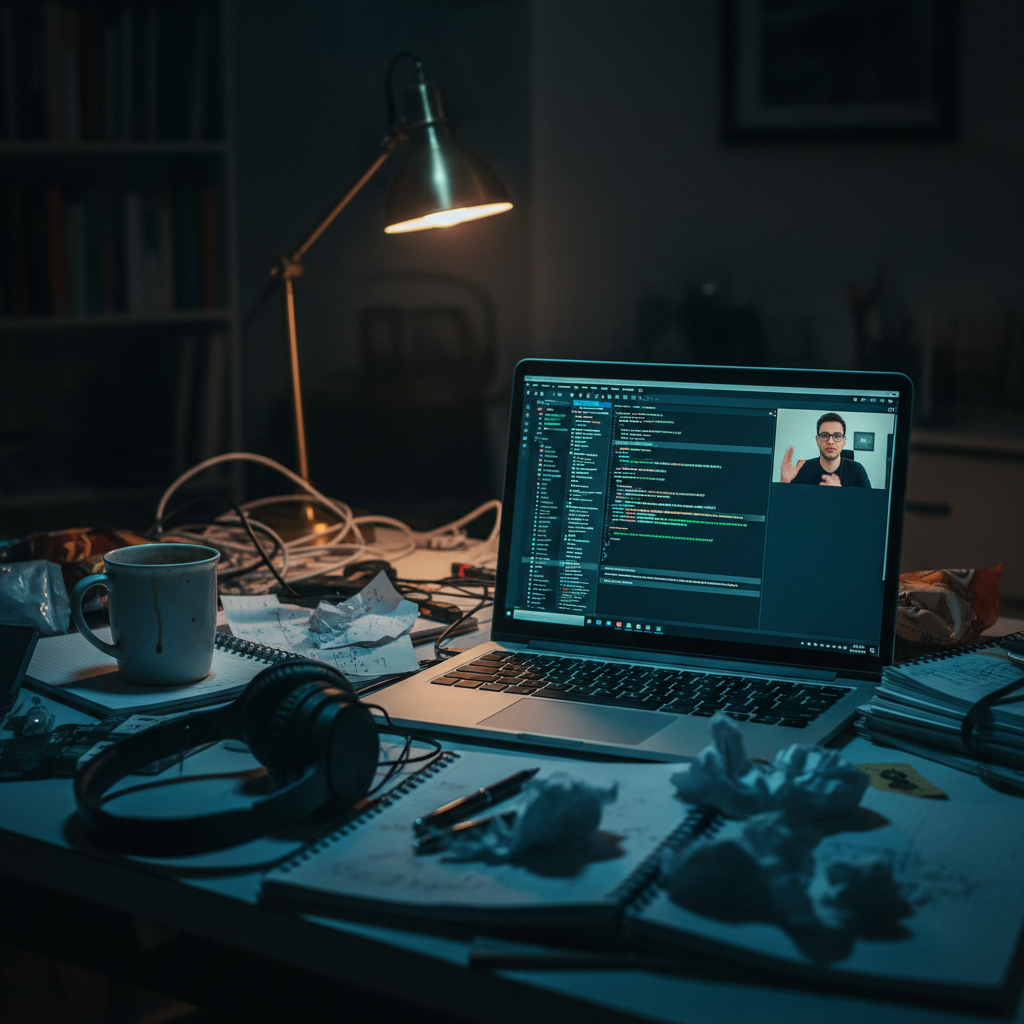
I remember when a client asked me to write a curriculum for a coding bootcamp. They wanted it all 'asynchronous.' That's just a fancy word for 'watch these videos alone and don't bug us.' That's one way it's changed. We've traded the immediate feedback of a classroom for the ability to learn at 2 AM in our pajamas. Is that better? Sometimes. Is it harder to stay focused? Absolutely. The discipline required now is ten times what it used to be.
Why it actually matters right now
You're probably wondering how is e-learning beneficial in the present scenario? Honestly? It's the only reason the economy didn't completely tank when the world shut down. But beyond that, it's about democratization. I'm biased, but I think the biggest win is for people who live in the middle of nowhere. If you've got a crappy laptop and a decent Wi-Fi connection, you can learn MIT-level physics. That was impossible twenty years ago. Period.
- Cost. It's way cheaper. No commuting, no overpriced dorm food.
- Pacing. If you're slow at math (like me), you can hit pause. You can't pause a live professor.
- Global Reach. You're sitting in a chat room with people from Lagos, London, and Lima. That's cool. It just is.
But here's the kicker. The present scenario demands constant upskilling. If you don't learn a new tool every six months, you're basically a dinosaur. Digital learning makes that pivot possible without quitting your day job. It's a survival mechanism now.
The shift in the classroom dynamic
When people ask how is digital learning changing education, they usually focus on the tech. I focus on the psychology. We're seeing a shift from 'teaching' to 'facilitating.' Teachers aren't the gatekeepers of knowledge anymore because Google exists. Instead, they've gotta be more like coaches. This is a massive headache for old-school educators who are used to being the smartest person in the room. Now, the smartest person in the room is the kid who knows how to prompt an AI or find a specific research paper in three seconds.
Digital learning is also killing the lecture. Thank god. Nobody actually learns by sitting still for ninety minutes while someone drones on. We learn by doing. Interactive modules, gamified quizzes, even VR—these things force you to engage. If you don't click, you don't progress. It's aggressive, but it's effective for keeping our goldfish-level attention spans in check.
The stuff nobody wants to talk about
I've seen this go wrong so many times. A school buys a thousand iPads, hands them out, and expects test scores to jump. It doesn't work like that. Digital learning is a tool, not a savior. If the content is boring, it's just boring on a high-res screen. We're also seeing a massive 'digital divide.' If you can't afford high-speed internet, you're basically locked out of the modern world. That's the dark side of this change. We're creating a two-tier society based on bandwidth.
Then there's the cheating. Oh, the cheating is rampant. With Chrome extensions and AI, kids are 'learning' how to bypass the system rather than learning the material. It's a cat-and-mouse game that most teachers are losing. We have to change how we test. No more 'what happened in 1776' questions. We need 'why does 1776 matter today' questions. Digital learning is forcing us to be smarter about how we measure intelligence.
Is it actually better?
Maybe. It depends on who you are. If you're a self-starter, digital education is a superpower. If you need someone staring at you to get work done, it's a nightmare. The reality is that education is no longer a place you go. It's a thing you do. It's integrated into our browsers and our phones. We're always learning, even if it's just a 30-second TikTok about Excel shortcuts. That's the real change. Education has become bite-sized, constant, and inescapable.
I think we'll look back at the 2020s as the decade we finally broke the factory model of schooling. It's messy. It's frustrating. It's a total pain in the neck for parents. But it's also the most exciting time to be a student, provided you actually want to learn something.
Comments
Be the first to comment.